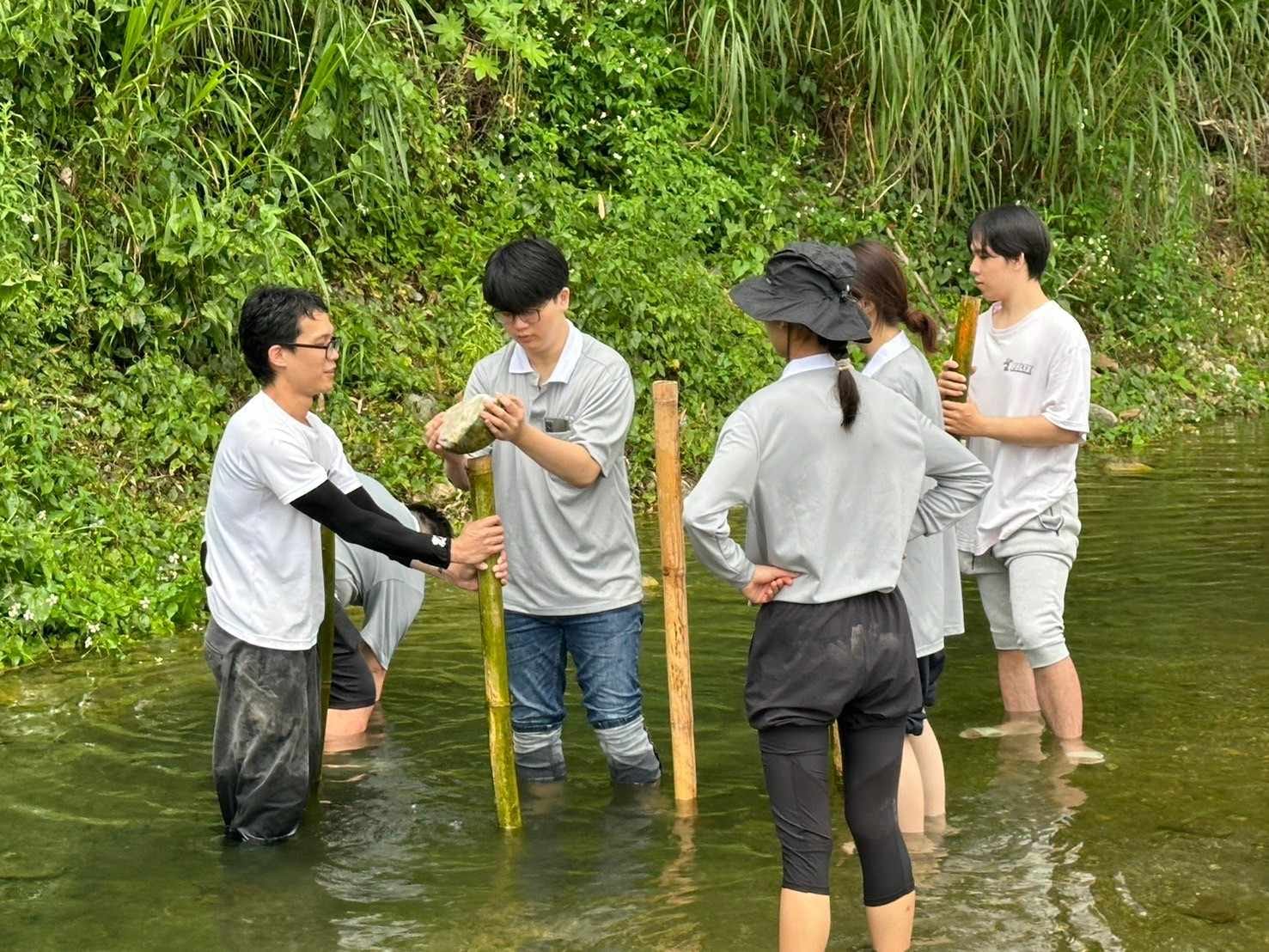
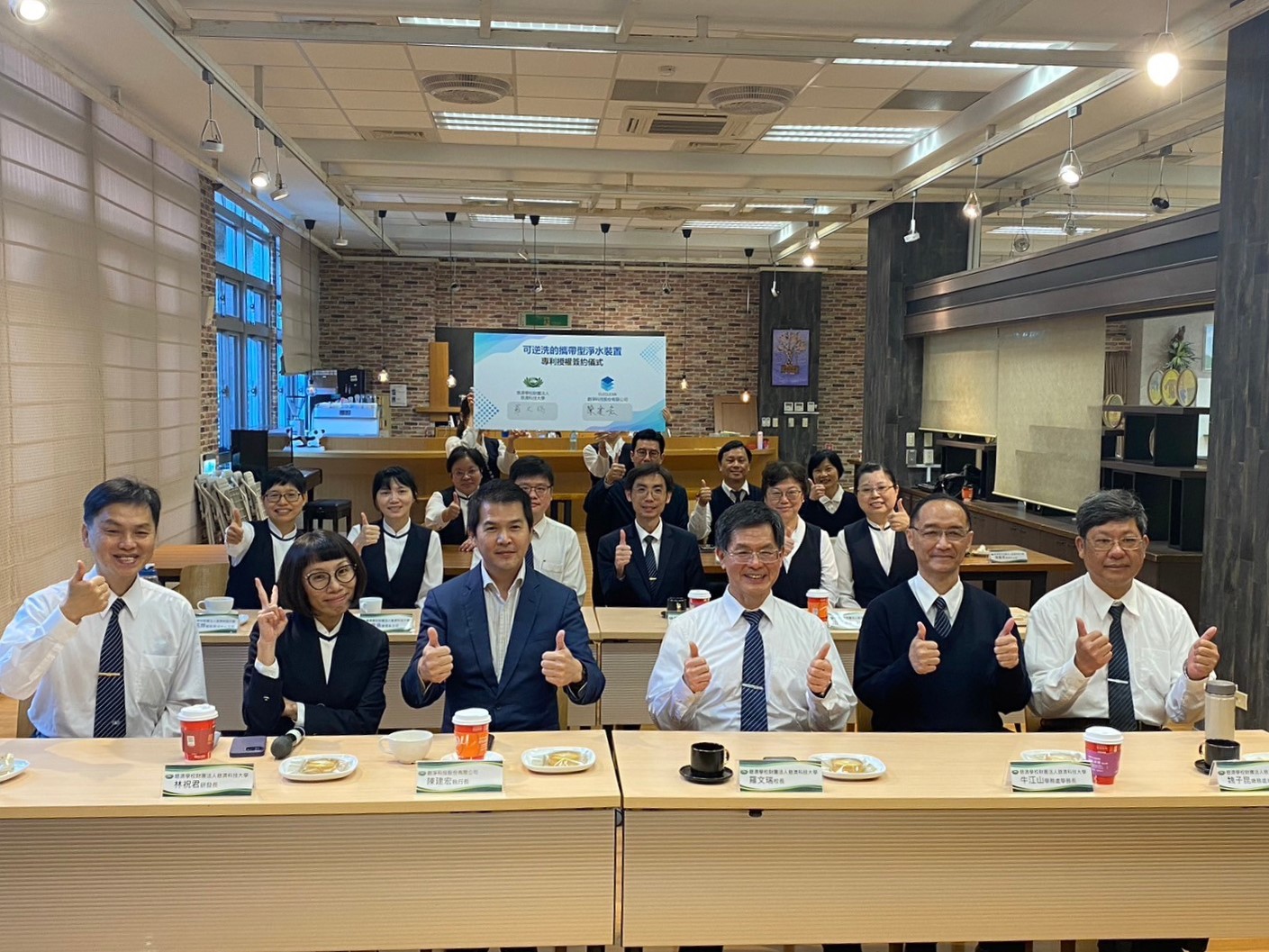
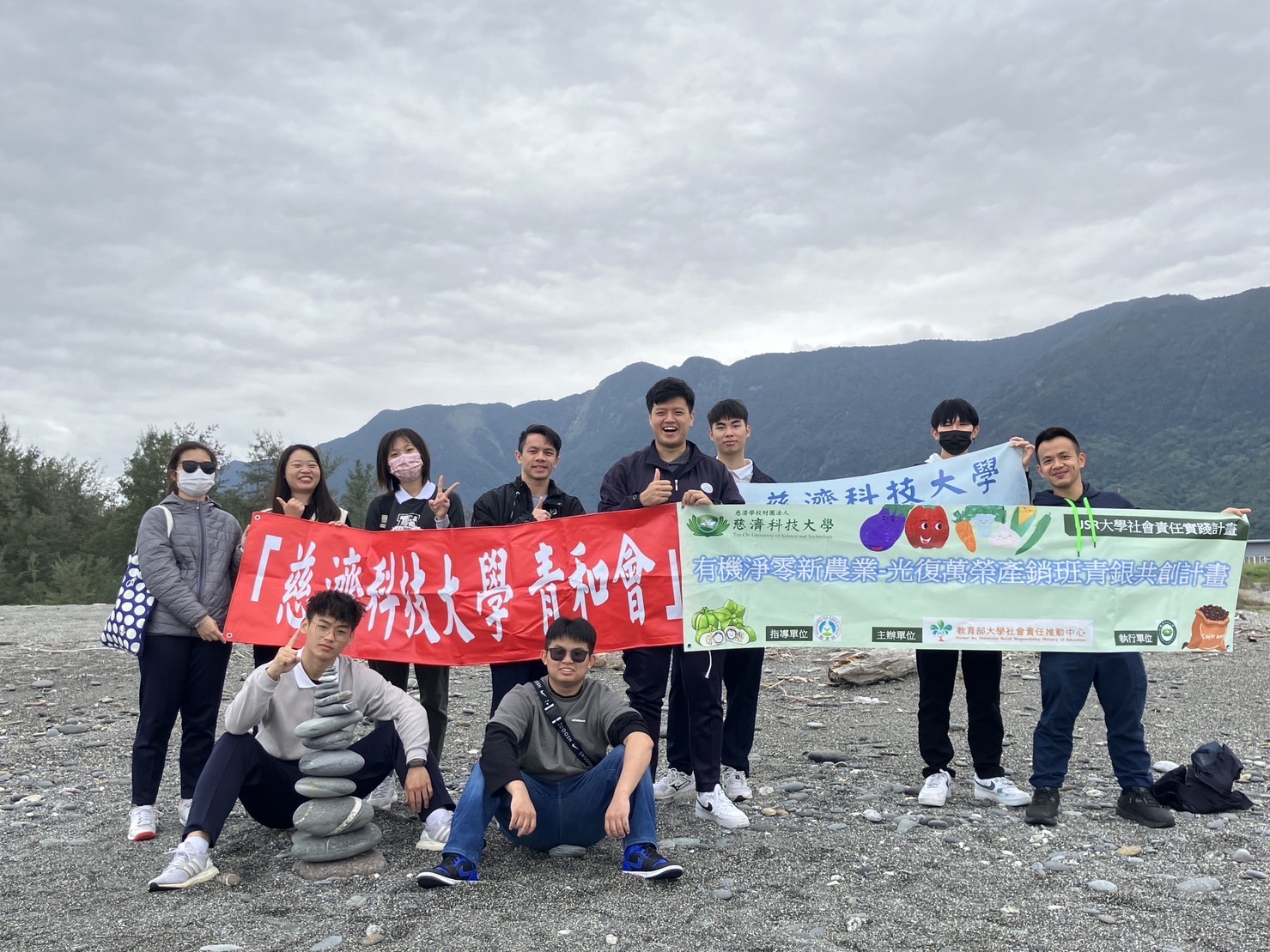
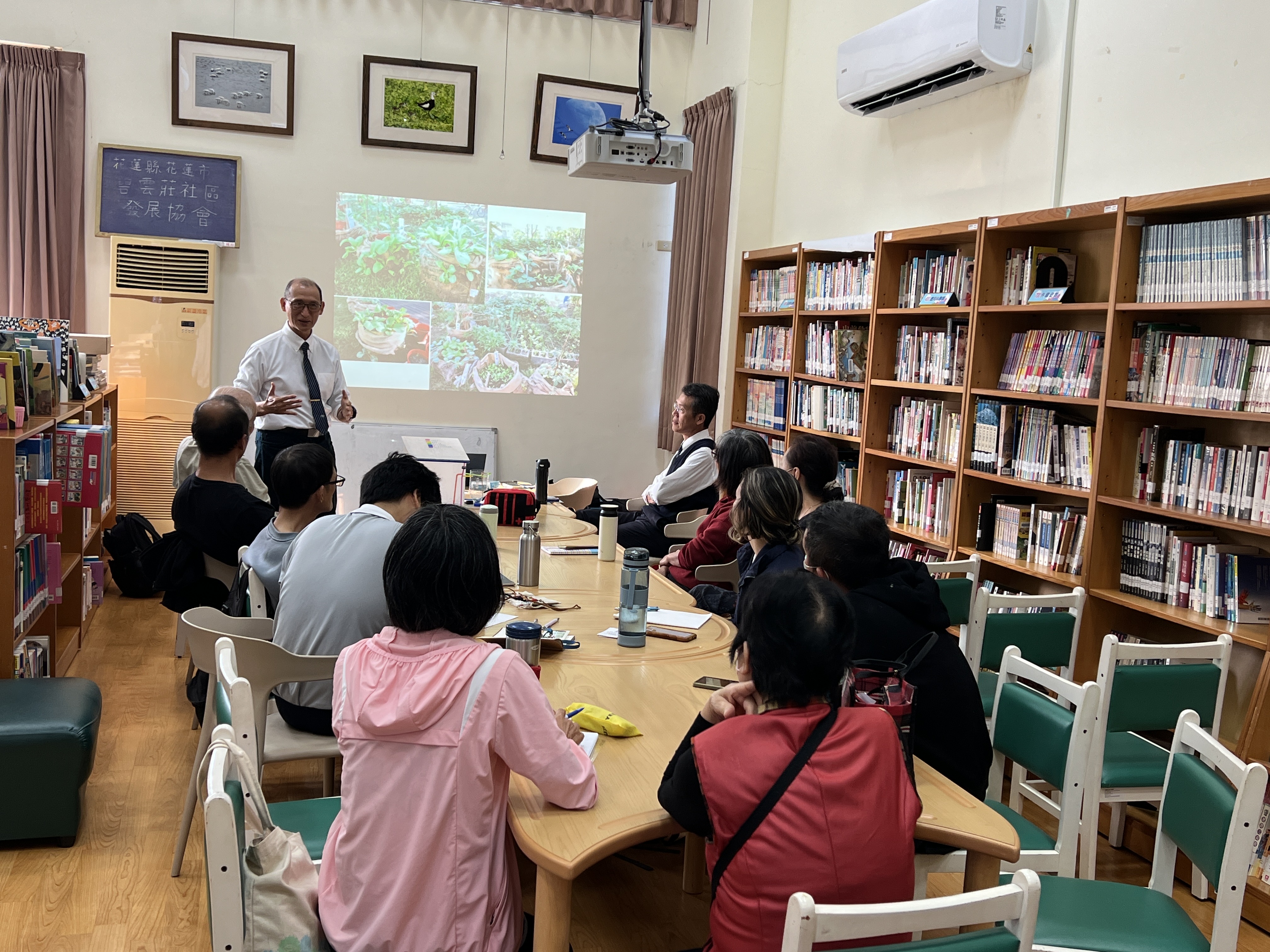
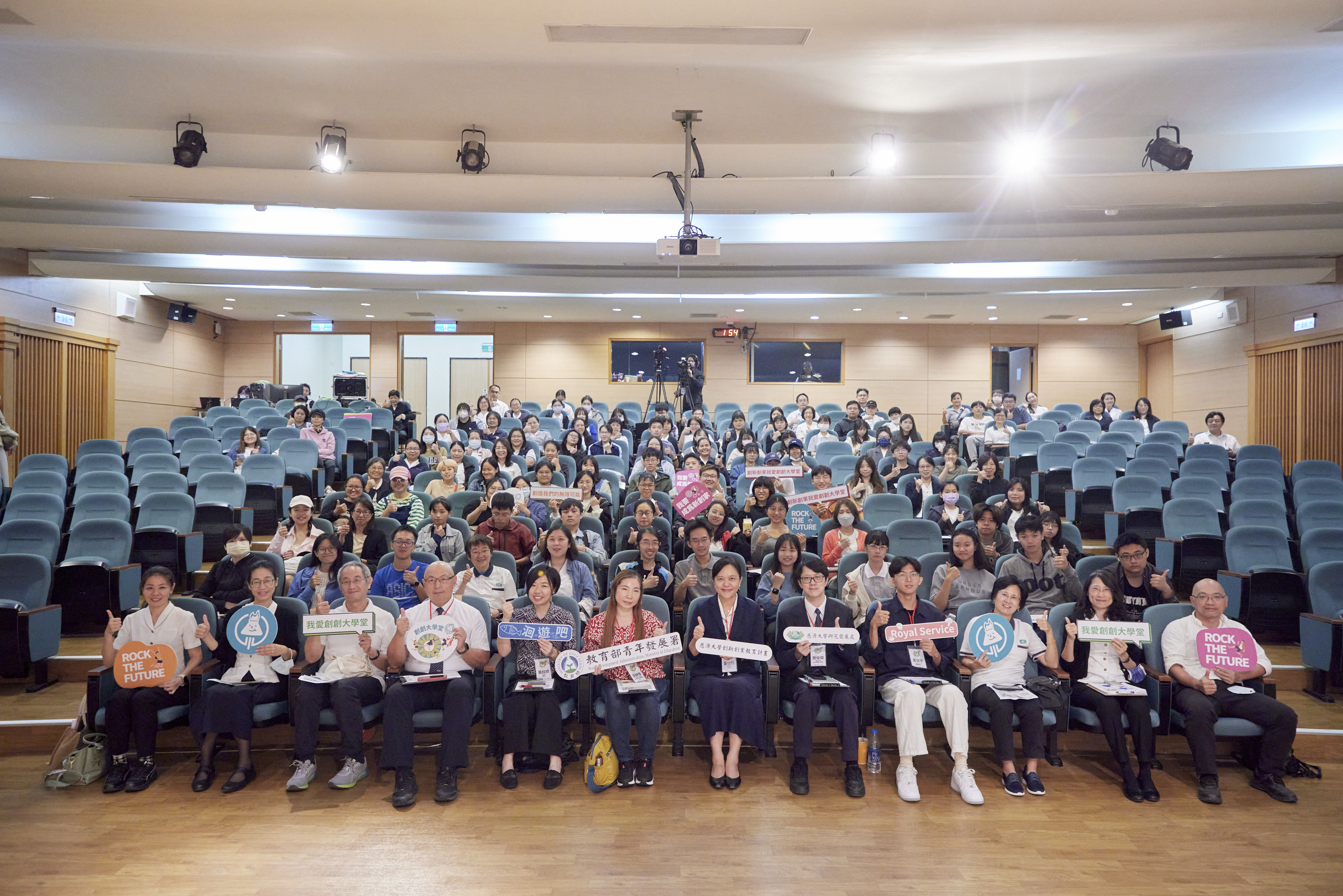
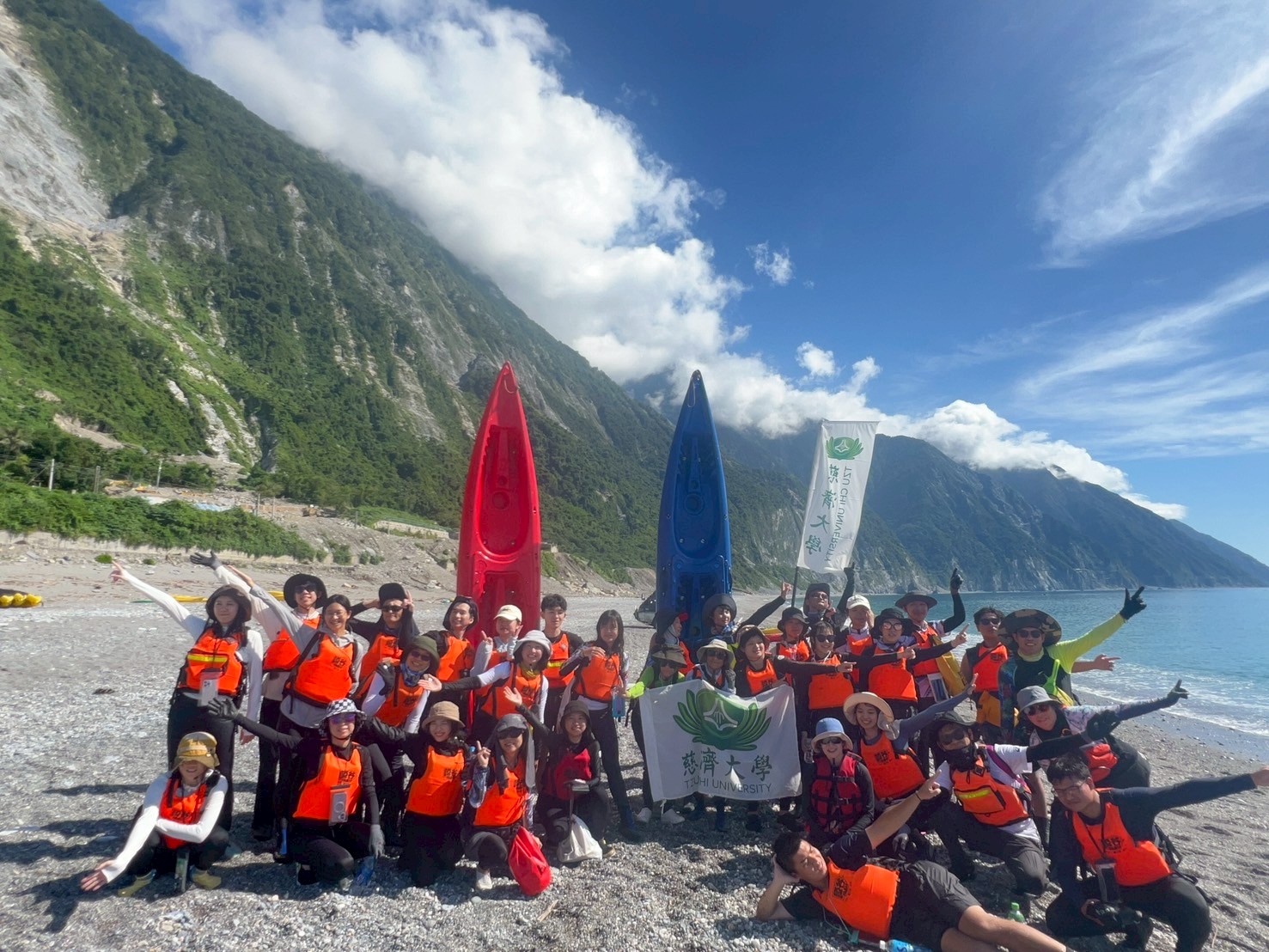
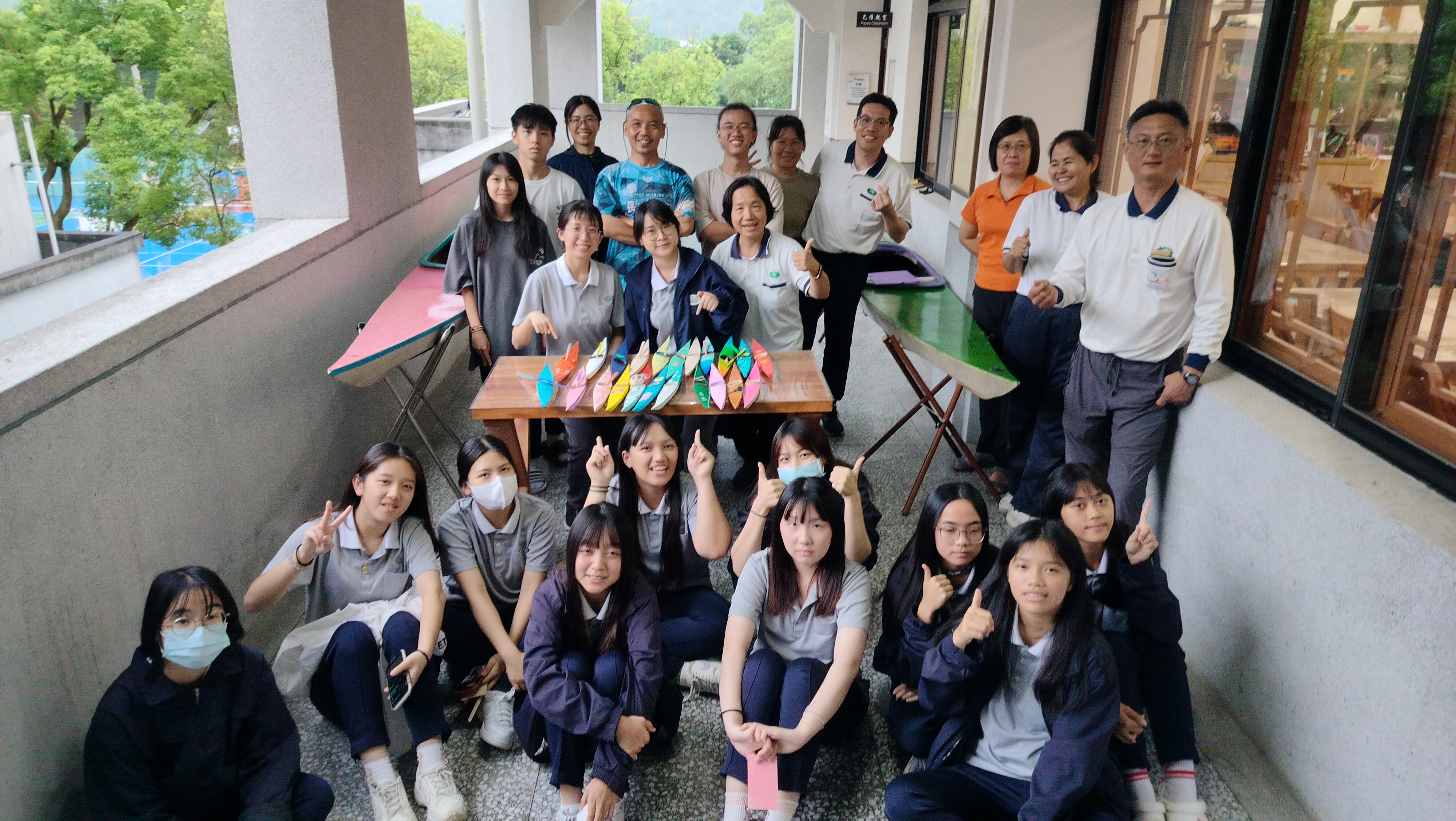
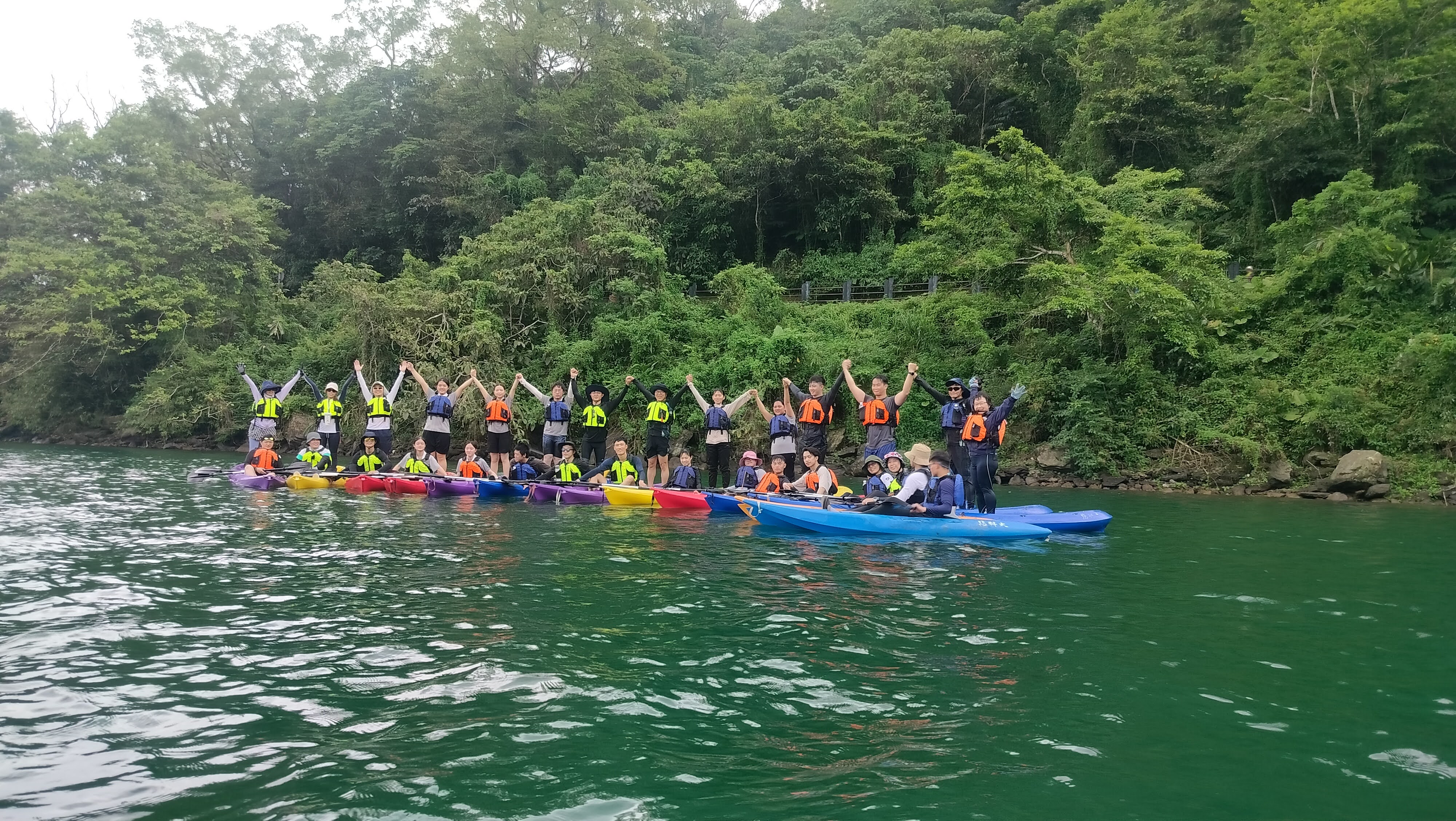
Offer educational programmes on fresh-water ecosystems (water irrigation practices, water management/conservation) for local or national communities
14.2.2
永續漁業與水產養殖教育
Sustainable fisheries (community outreach)
提供永續漁業、水產養殖及相關觀光之管理教育或推廣活動
Offer educational programme or outreach for local or national communities on sustainable management of fisheries, aquaculture and tourism
14.2.3
過度捕撈議題教育推廣
Overfishing (community outreach)
辦理教育活動,提升社會對過度捕撈、非法/未通報/未受規範(IUU)漁業及破壞性捕撈行為之認識
Offer educational outreach activities for local or national communities to raise awareness about overfishing, illegal, unreported and unregulated fishing and destructive fishing practices
Conservation and sustainable utilisation of the oceans (events)
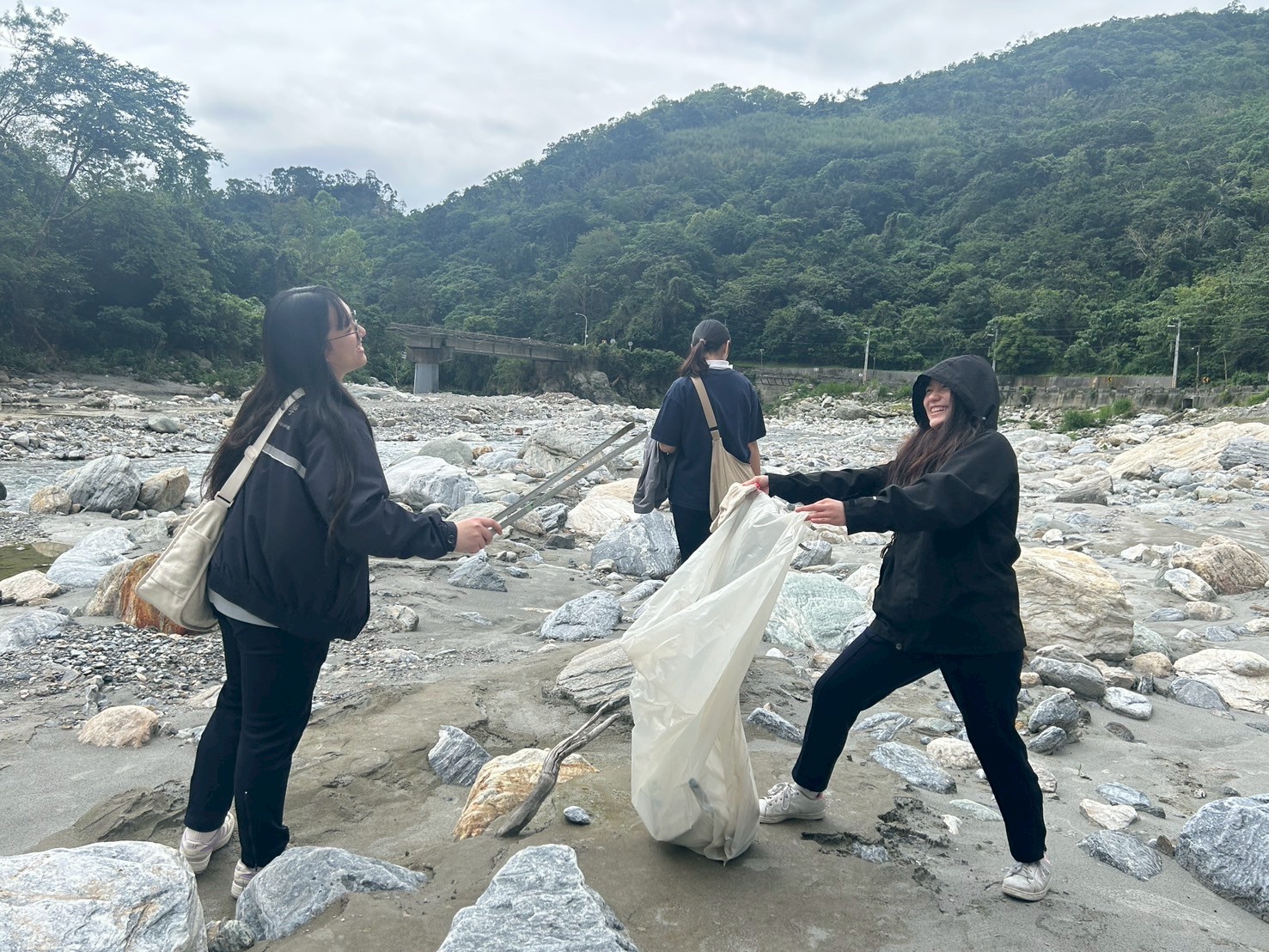
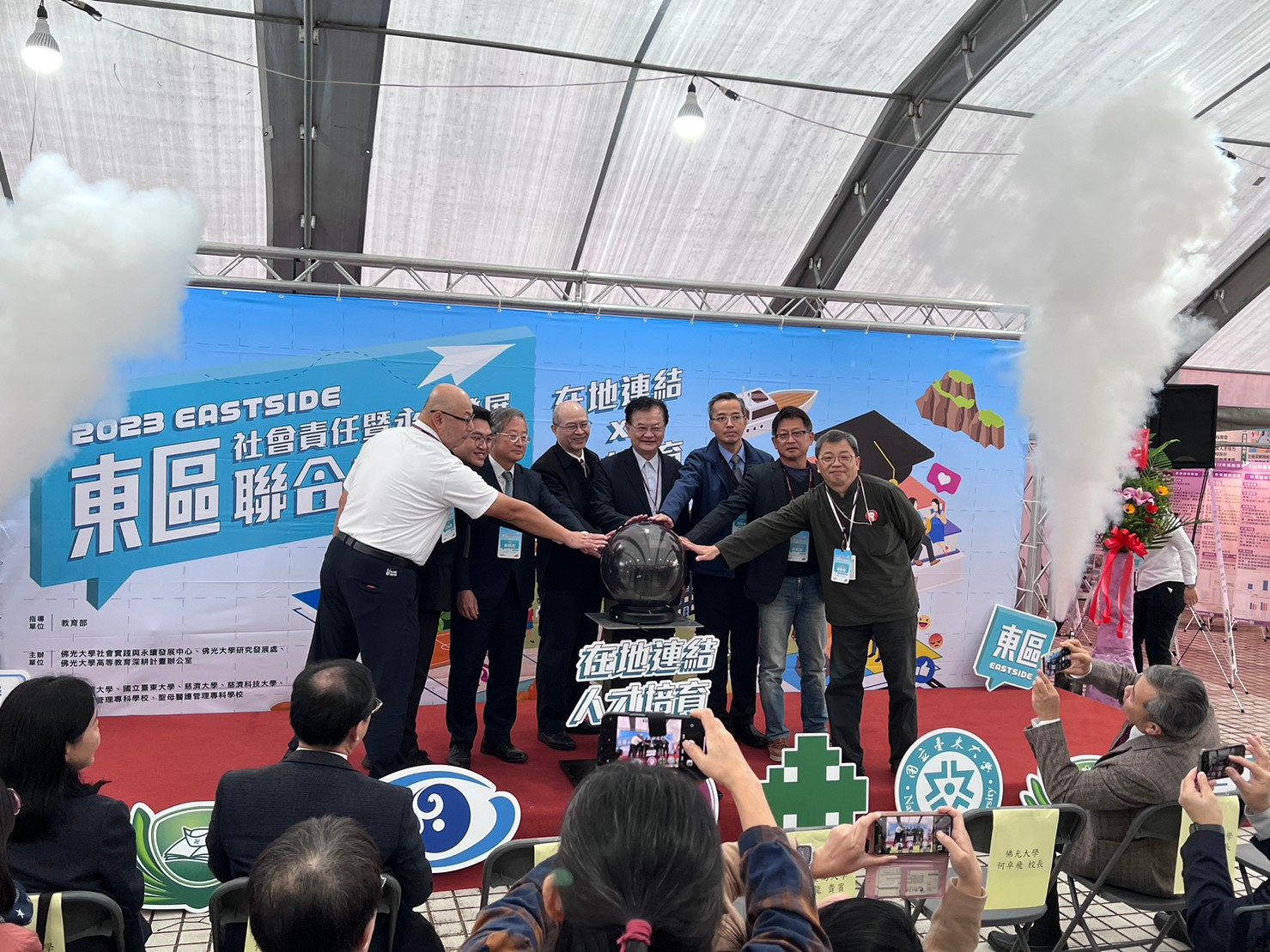
辦理或支持推動海洋、湖泊、河川等水域資源保育與永續利用之活動。
Support or organise events aimed to promote conservation and sustainable utilisation of the oceans, seas, lakes, rivers and marine resources
14.3.2
水域食物永續政策
Food from aquatic ecosystems (policies)
訂有政策,確保校園使用之水產食品來源符合永續捕撈或養殖原則。
Have a policy to ensure that food on campus that comes from aquatic ecosystems is sustainably harvested
14.3.3
維護生態系統與生物多樣性(直接行動)
Maintain ecosystems and their biodiversity (direct work)
透過研究或產業合作,直接投入維護並提升水域生態系(含動植物),特別是受威脅之生態系。
Work directly (research and/or engagement with industries) to maintain and extend existing ecosystems and their biodiversity, of both plants and animals, especially ecosystems under threat
14.3.4
防止水域生態破壞的技術(直接行動)
Technologies towards aquatic ecosystem damage prevention (direct work)
與產業合作或透過研究,發展可降低或避免水域生態破壞之技術與作法。
Work directly (research and/or engagement with industries) on technologies or practices that enable marine industry to minimise or prevent damage to aquatic ecosystems
Have water quality standards and guidelines for water discharges (to uphold water quality in order to protect ecosystems, wildlife, and human health and welfare)
14.4.2
減塑行動計畫
Action plan to reducing plastic waste
訂有校園塑膠廢棄物減量之行動計畫。
Have an action plan in place to reduce plastic waste on campus
14.4.3
海洋污染防治政策
Reducing marine pollution (policy)
訂有政策以預防與減少各類海洋污染,特別是來自陸域活動之污染。
Have a policy on preventing and reducing marine pollution of all kinds, in particular from land-based activities